
Practice news and updates
Keep up to date with the latest news and updates from the practice, including important information about our services, changes to how we work and useful health information for our patients.
We say NO to sexual harassment
No one should experience sexism, sexual abuse or assault in the NHS. We know inequality and sexual misconduct exists and is experienced disproportionately by our female colleagues. Sexual misconduct can happen to anyone, although people in some groups can be more vulnerable. Some people will also find it more difficult to make a report.
We are proud signatories of the NHS Sexual Safety Charter, which commits to providing staff with clear reporting mechanisms, training and support.
Third-party sexual harassment occurs when one of our workforce is subjected to sexual harassment by someone who is not part of our workforce but who is encountered in connection with work. Third-party sexual harassment of our workforce is unlawful and will not be tolerated.
For further information, support and advice please visit:
Victim Support – sexual harassment
Published on 6th July 2026

Rookwood refurbishments – update
From Monday 29th June, the Medical Centre at Rookwood Avenue will be closed for appointments for three weeks.
However, you can still drop off prescription requests and samples until 1:00 p.m. each day.
Please continue to use our online form on this website to request appointments.
We thank you for your understanding and look forward to welcoming you back to our newly refurbished Medical Centre.
Published on 29th Jun 2026

Stay well this spring – simple steps for better health
Looking after your health doesn’t have to be complicated. Small daily habits can make a big difference:
- Stay active with regular movement, even short walks.
- Eat a balanced diet with plenty of fruit and vegetables.
- Keep hydrated and aim for good quality sleep.
- Take time to relax and look after your mental wellbeing.
- Keep up to date with vaccinations and routine check-ups.
If you’re feeling unwell or need advice, please contact the practice – our team is here to help.
Published on 13th April 2026
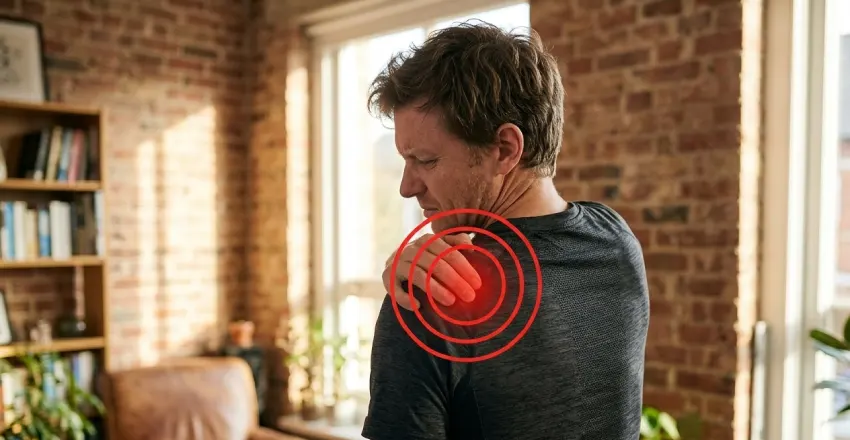
Joint pain
Joint pain is a common problem that can affect people of all ages. It may be caused by everyday wear and tear, minor injuries, or conditions such as arthritis. The good news is that many cases of joint pain can be managed effectively at home.
Simple steps you can take include:
- Keeping gently active to maintain movement and reduce stiffness.
- Using warm or cold packs to ease pain and swelling.
- Taking over-the-counter pain relief such as paracetamol or ibuprofen (if suitable for you).
- Trying gentle stretching or strengthening exercises.
- Maintaining a healthy weight to reduce strain on joints.
It’s important to balance rest with movement – too much inactivity can make joint pain worse.
For personalised advice and guided exercises, we recommend the getUBetter app, which provides tailored support for self-management of muscle and joint conditions and injuries.
You can also find trusted information and self-management tips via the link below:
Exercises for healthy joints | Back, neck, knee and foot exercises
If your joint pain is severe, persistent, or worsening, please contact the practice for further assessment or request an appointment with our physio.
Published on 25th March 2026
Meningitis – key symptoms and up-to-date guidance
Meningitis is a serious but rare infection that can become life-threatening very quickly, so it’s important to recognise the symptoms early.
Symptoms to look out for
- Fever
- Severe headache
- Stiff neck
- Sensitivity to light
- Vomiting
- Drowsiness or confusion
- Seizures (fits)
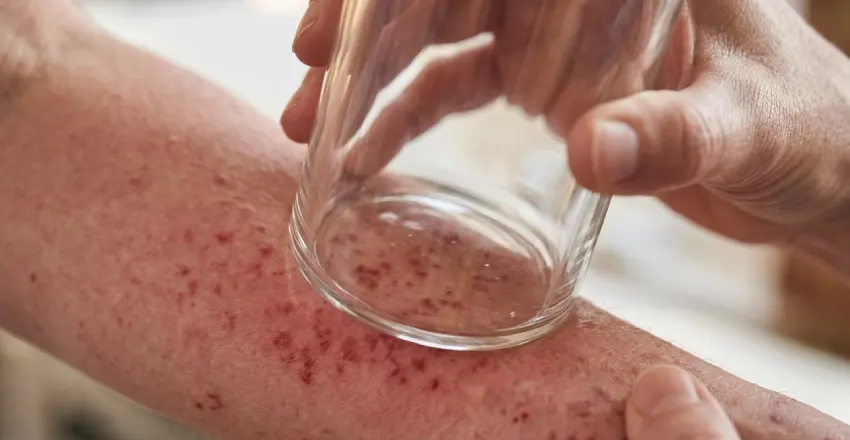
- A rash that does not fade when pressed
Babies may also be floppy, irritable, refuse feeds, or have a high-pitched cry.
When to seek help
Do not wait for all symptoms to appear. If you are concerned, seek urgent medical help via NHS 111, A&E, or call 999 if severely unwell, as meningitis can worsen rapidly.
Further information and vaccine advice
For up-to-date guidance, including information about the current MenB outbreak and vaccination, please visit UK Health Security Agency – Meningitis B outbreak: what you need to know
Published on 20th March 2026

Healthy eating
Eating a balanced diet is an important part of maintaining good health and wellbeing. A healthy diet can help improve energy levels, support your immune system, and reduce the risk of conditions such as type 2 diabetes, heart disease, and obesity.
Simple steps towards healthier eating include:
- Eating a variety of fruit and vegetables each day.
- Choosing wholegrain foods where possible.
- Reducing foods high in sugar, salt, and saturated fats.
- Drinking plenty of water and limiting sugary drinks.
Small, sustainable changes to your diet can make a big difference over time. If you would like support with weight management or improving your diet, please contact the practice to book an appointment with one of our healthcare assistants.
The following website is also an excellent resource:
The NHS eat well guide – healthy eating and balanced diets
Published on 5th March 2026